
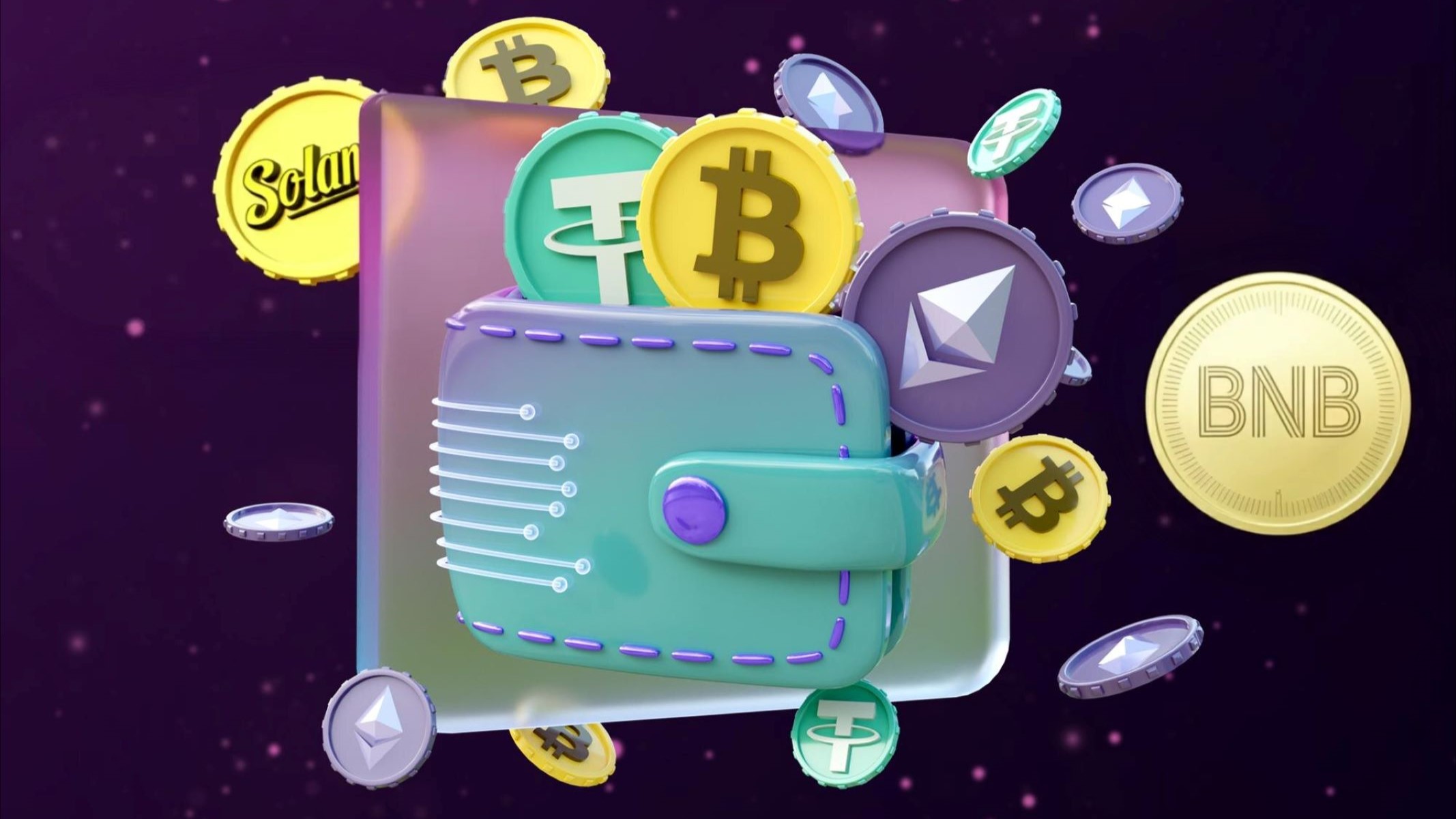
Let’s kick things off with the basics. Imagine you’ve got a wallet that doesn’t just hold your Ethereum but also your Bitcoin, Solana, BNB, and even meme coins from obscure chains. Sounds powerful, right? That’s exactly what a multi-chain wallet is—your all-access pass to multiple blockchain ecosystems in one secure app. But that’s not even the best part. These wallets now come with built-in swap features, which means you don’t need to hop over to decentralized exchanges (DEXs) like Uniswap, PancakeSwap, or Curve just to swap one token for another. Everything happens right inside your wallet. It’s like going from having to leave your house for every little errand to having a fully stocked pantry. Handy, right?
The Evolution of Crypto Wallets
In the early days of cryptocurrency, wallets were quite basic and limited in functionality. Most of these wallets were designed to work with just a single blockchain network, such as Bitcoin, Ethereum, or Binance Smart Chain. If you wanted to hold or manage tokens from another blockchain, you had to use a completely different wallet. This fragmentation made it cumbersome for users who wanted to diversify their assets across multiple blockchains. Managing several wallets was not only inconvenient but also increased the risks of errors and security vulnerabilities.
As the crypto space evolved, the rise of decentralized finance (DeFi), non-fungible tokens (NFTs), and the expansion of various blockchain ecosystems created a strong demand for more versatile wallets. This demand led to the birth of multi-chain wallets—platforms that could support multiple blockchain networks within a single interface. Wallets like MetaMask, Trust Wallet, SafePal, and Rabby emerged to provide seamless access to dozens of blockchains. This innovation greatly simplified asset management and opened the door for users to explore new chains without constantly switching apps or wallets.
But the evolution didn’t stop there. Developers saw the opportunity to enhance the user experience even further by integrating swap features directly into these wallets. This meant users could exchange tokens both within the same blockchain or across different blockchains without needing to visit separate decentralized exchanges (DEXs). The swap function is powered by sophisticated DEX aggregators, which intelligently search for the best rates and routes across multiple liquidity sources. This integration not only saves time but also reduces risks such as copy-paste mistakes and phishing attacks.
The introduction of built-in swap features marked a significant turning point in how users interact with their wallets. It created a smoother, faster, and more secure experience that has become essential in today’s fast-paced crypto environment. For many, these wallets are no longer just a place to store tokens—they are powerful multi-tool hubs that enable users to manage, swap, and grow their crypto assets all in one place. This evolution continues to shape the future of digital asset management.
Why Built-in Swaps Matter More Than Ever
Swapping tokens can sometimes feel like navigating a minefield—especially during busy market times like a bull run when decentralized exchanges (DEXs) get overloaded, transactions slow down, and prices shift rapidly. Built-in swaps inside multi-chain wallets solve many of these headaches, making crypto trading smoother and safer. Here’s a detailed, step-by-step list explaining exactly why these built-in swap features have become so crucial:
- Convenience of One-Stop Access
With built-in swaps, you don’t need to leave your wallet to swap tokens. This all-in-one approach saves you from switching between multiple platforms, apps, or browser tabs, keeping your crypto activities organized and hassle-free. - Elimination of Manual Errors
Copy-pasting wallet addresses or transaction details can easily lead to mistakes. Built-in swaps minimize human error by handling all routing and details inside the wallet, reducing risks of sending funds to the wrong place or losing assets. - Enhanced Security by Staying Inside the Wallet
Since everything happens within a trusted wallet environment, your private keys never leave your device. This lowers the risk of phishing attacks or malicious websites tricking you into approving harmful transactions. - Faster Transaction Speed
Traditional swaps often require multiple approvals and several steps. Built-in swaps streamline this by bundling actions and reducing confirmation wait times, allowing quicker execution especially when markets are moving fast. - Access to Best Market Rates via Aggregation
Many wallets integrate DEX aggregators that scan dozens of exchanges to find the best price and lowest fees. This automatic search means you don’t have to hunt for deals yourself — you get optimized swaps every time. - Lower Slippage on Trades
Swapping inside wallets with smart routing algorithms helps minimize slippage — the difference between expected and actual trade prices. This is especially useful during volatile market conditions when prices can swing quickly. - Gas Fee Transparency and Control
Built-in swaps often show you estimated gas fees before you confirm, letting you decide if the cost fits your budget. Some even let you customize gas price to speed up or slow down your transactions, giving you more control. - Support for Multiple Chains in One Place
Multi-chain wallets with built-in swaps let you exchange tokens across different blockchains without needing separate tools. This cross-chain swapping convenience broadens your trading possibilities significantly. - Simplified User Interface for Beginners
Instead of juggling complex DEX interfaces, built-in swaps offer a clean and intuitive experience. This ease of use empowers newcomers to trade confidently without getting lost in confusing options.
Top Multi-Chain Wallets With Native Swap Functions
| Wallet | Supported Chains | Built-in Swap | DEX Integration | Hardware Wallet Support |
| MetaMask | 20+ EVM-compatible chains via custom RPC | Yes | Aggregated swaps via 0x, Paraswap, and 1inch | Yes (Ledger, Trezor) |
| Trust Wallet | 70+ chains including EVM and non-EVM chains | Yes | Native integrations with Uniswap, PancakeSwap, etc | No |
| SafePal | 100+ blockchains including Layer 1 & Layer 2 | Yes | Supports Binance DEX, Uniswap, SushiSwap | Yes (SafePal S1 hardware wallet) |
| Rabby Wallet | EVM-compatible chains only | Yes | Uses 1inch and other leading DEX aggregators | Yes |
| XDEFI Wallet | 30+ chains including Cosmos, Bitcoin, EVMs | Yes | Integrated with THORChain, 1inch, and SushiSwap | Yes (supports Ledger integration) |
How Built-in Swaps Work Under the Hood
At first glance, built-in swap features inside crypto wallets may seem like some kind of magic trick — pick two tokens, hit swap, and voilà. But under the hood, it’s a carefully orchestrated process powered by advanced infrastructure. The real engine behind this convenience is the DEX aggregator. Wallets integrate services like 0x, 1inch, or Paraswap, which are designed to search across dozens of decentralized exchanges simultaneously. These aggregators analyze pricing, gas fees, and slippage in real-time to determine the most efficient route for your trade.
When you initiate a swap, the wallet doesn’t simply connect to one exchange. Instead, it sends a request through the aggregator, which combs through a wide array of DEXs such as Uniswap, SushiSwap, PancakeSwap, Curve, and more. The aggregator’s job is to find the best deal for your specific trade — and that might mean splitting your order across multiple platforms to minimize fees and slippage. This all happens behind the scenes in seconds, without requiring any manual work from you. The wallet simply presents you with the optimal path, including pricing, estimated gas, and how the trade will be executed.
Once the routing is figured out, the wallet prepares the transaction and prompts you for approval. All the smart contract interactions — whether it’s wrapping tokens, interacting with liquidity pools, or even bridging assets — are handled automatically. Some wallets also offer options to adjust slippage tolerance and gas fees before finalizing the transaction, giving you extra control. After you approve it, the wallet signs and sends the transaction to the blockchain. From the user’s perspective, it feels instant and intuitive, but it’s actually powered by a highly complex backend system working in real time.
What’s even more impressive is that modern wallets are beginning to support cross-chain swaps within the same interface. In those cases, built-in bridges or cross-chain routing protocols are also tapped into, allowing you to move value between entirely different blockchains without switching apps. The goal is to make the experience as frictionless as possible—so whether you’re swapping ETH for DAI or BNB for MATIC, everything happens in one streamlined process, directly within the wallet’s interface.
Cross-Chain vs Same-Chain Swaps
In the world of decentralized finance, not all token swaps are created equal. A major distinction exists between same-chain swaps and cross-chain swaps, and understanding the difference is key to using multi-chain wallets effectively. As Web3 evolves, many wallets are racing to perfect cross-chain functionality, but there are still some limitations you need to be aware of. Below is a detailed breakdown to help you grasp how these two types of swaps work, what makes them different, and why one is often more complex than the other.
- Same-chain swaps involve tokens on the same blockchain network
For example, swapping ETH to USDC on the Ethereum network or exchanging BNB to BUSD on the BNB Smart Chain. These swaps are straightforward because both assets live on the same chain and can be traded via smart contracts on a single DEX like Uniswap or PancakeSwap. The transaction only needs to be processed by one blockchain, making it faster and more predictable. - Cross-chain swaps allow users to exchange tokens between two completely different blockchain networks
For instance, if you want to swap BNB on the BNB Smart Chain for MATIC on the Polygon network, that’s a cross-chain swap. This process is more complex because it involves transferring value between two distinct chains with separate consensus mechanisms, smart contract languages, and token standards. - Same-chain swaps are typically cheaper, faster, and more reliable
Because they only involve a single network, the fees (gas costs) are easier to estimate and often lower. There’s no need to wait for confirmations on two blockchains, and the risk of delays or errors is much lower. This makes same-chain swaps the go-to choice for quick trades or day-to-day DeFi activity. - Cross-chain swaps depend heavily on external infrastructure like bridges or liquidity routing protocols
To enable a cross-chain trade, wallets often use third-party systems such as THORChain, Stargate, Synapse Protocol, or Wormhole. These protocols help lock your tokens on the source chain and release equivalent assets on the destination chain. However, they also introduce new risks, like smart contract vulnerabilities, liquidity issues, and longer transaction times. - Not all multi-chain wallets offer true cross-chain swaps
Some wallets may support tokens from multiple chains, but that doesn’t mean you can directly swap between those chains. In many cases, you’d still need to use a separate bridge, move your funds manually, and then complete a second trade on the target chain. Only a few wallets like XDEFI or those integrating THORChain truly enable cross-chain swaps in a single flow. - Cross-chain functionality is still evolving and can be inconsistent
The technology powering these swaps is relatively new and still improving. You may find that certain token pairs or chain combinations aren’t supported, or that transaction success rates vary. Failures can happen due to low liquidity, high network congestion, or bugs in bridge protocols.
Real Use Case: DeFi Without Leaving Your Wallet
| Step | With Built-In Wallet Swap | Without Built-In Wallet Swap | Complexity Level | Time Spent |
| Initiate Transaction | Open your wallet and select AVAX → DAI | Open separate bridge UI and DEX tabs | Low (one app) | ~1–2 minutes |
| Route Discovery | Wallet auto-finds optimal bridge + DEX | Manually research bridge and best DEX rates | High (requires manual search) | ~5–10 minutes |
| Execute Swap | Single approval and confirmation | Approve transactions across multiple platforms | Moderate (one step) | ~3–5 minutes |
| Asset Delivery | DAI lands in your Ethereum wallet seamlessly | Manually track confirmations across chains | Low (automated) | Instant to 10 minutes |
| Ready for Yield Farming | Immediately stake DAI on Ethereum | May need to connect wallet to farm again | Low (wallet auto-connects) | Immediate to 5 minutes |
Security Considerations: Not All Swaps Are Equal
Just because your wallet offers built-in swaps doesn’t automatically mean they’re secure. The convenience of staying within one interface can create a false sense of safety, leading users to approve transactions they don’t fully understand. It’s essential to dig deeper into what’s happening behind the scenes. Not all wallets use trusted aggregators, and some may route your assets through poorly audited or even malicious decentralized exchanges (DEXs). Before approving any transaction, check whether the swap path uses reputable protocols and liquidity sources that have been battle-tested in the DeFi ecosystem.
Token approvals are another critical aspect that often goes unnoticed. When you approve a token for swapping, you’re granting permission for the protocol or smart contract to access and move those tokens on your behalf. If that approval is unlimited—which many wallets default to—you could be exposing your funds to unnecessary risk. A compromised smart contract, or even just a misconfigured one, could drain your wallet. To mitigate this, always opt for custom allowances when possible. Some modern wallets now allow users to manually limit the number of tokens approved in a transaction, and this small action can significantly improve your long-term security.
Slippage control is another security layer that often gets overlooked. Slippage refers to the difference between the expected price of a trade and the actual price executed. If your wallet doesn’t allow you to customize slippage settings, you might end up with a much worse deal, especially during times of high volatility. Worse, it opens you up to front-running—where bots detect your transaction and jump ahead of you in the block, exploiting your order for profit. A good DeFi wallet should give you tight control over slippage limits so you can manage price impacts and execution risks effectively.
Lastly, the most secure way to protect high-value transactions is by using hardware wallets. Whether you’re operating across multiple chains or interacting with lesser-known DEXs, the physical confirmation required by devices like Ledger and Trezor adds an unforgeable layer of defense. It ensures no transaction gets signed unless you physically approve it. Even if your software wallet gets compromised, your funds remain protected unless the attacker gains access to your hardware device. This extra layer is vital when you’re navigating new networks or testing out unfamiliar protocols in the ever-evolving DeFi landscape.