
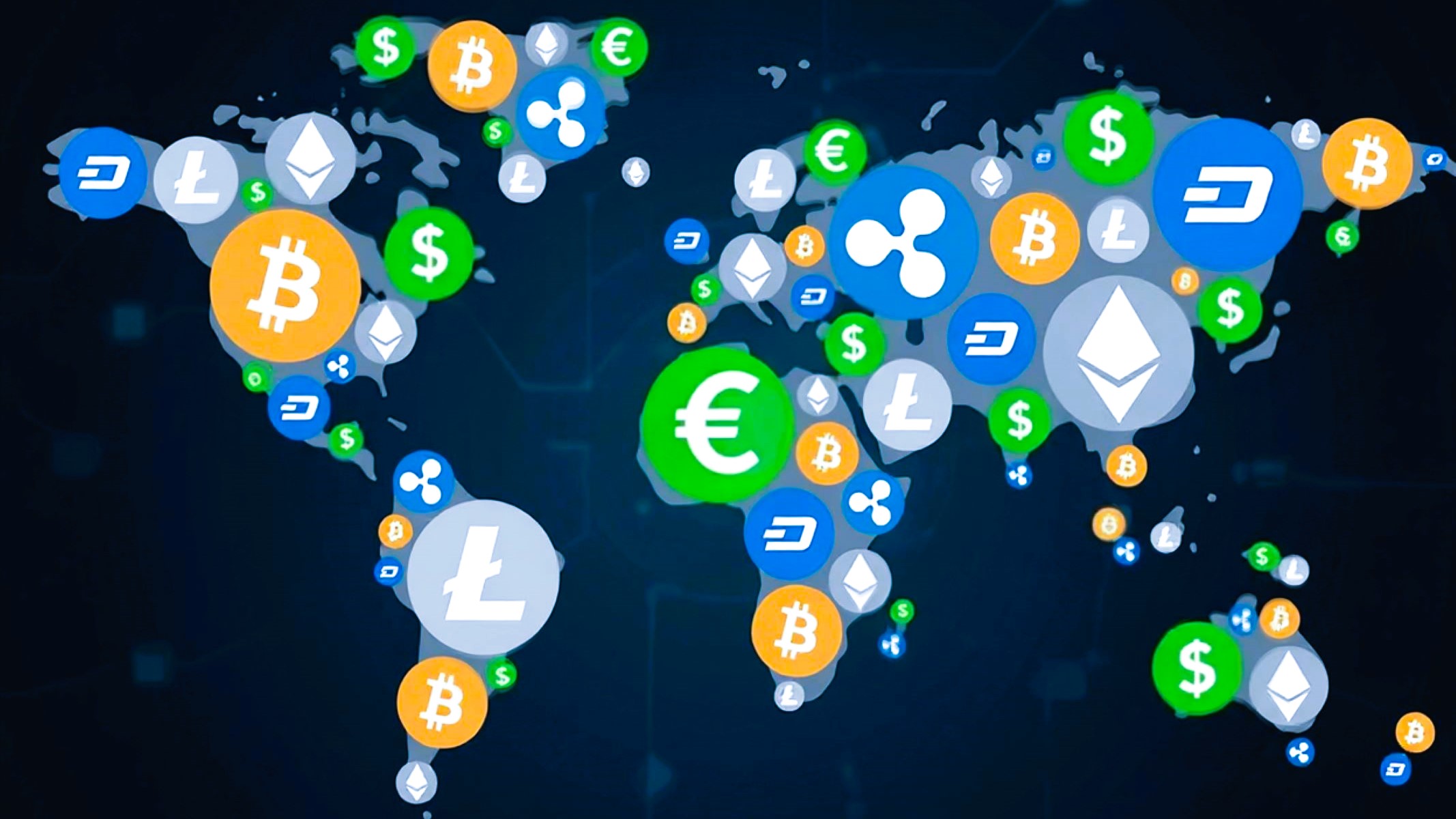
Imagine you’re in a foreign country and need to convert dollars into euros. You check the latest exchange rate and make your decision. Now imagine the crypto world — it’s just like that, but on steroids. Crypto conversion tools help users calculate the value of one cryptocurrency in terms of another (like BTC to ETH) through a crypto to crypto exchange, or convert it into fiat currencies (like USD, INR, EUR, etc.). These tools save time, eliminate manual math, and give instant answer — but not all are created equal.
Why Do You Need Live Price Feeds in Crypto?
The cryptocurrency market operates unlike traditional financial systems. There are no weekends or closing hours — it runs continuously, 24 hours a day, 7 days a week. That means price changes can happen at any moment, whether it’s the middle of the night or during a holiday. This constant movement makes the market both exciting and unpredictable. Even small fluctuations can have a major impact on the value of your assets, especially during periods of high volatility or breaking news events that send prices soaring or crashing within minutes.
In such a dynamic environment, relying on outdated or delayed pricing data is a risky move. Imagine trying to make a trading decision based on a price feed that’s even five minutes old — you could already be operating with inaccurate numbers. That’s why real-time, live price feeds have become essential for anyone involved in the crypto space. They offer a true snapshot of the current market value, ensuring that every conversion, trade, or portfolio check reflects the most accurate information available.
This is especially important for traders who depend on precision to time the market. A few seconds of lag can mean the difference between profit and loss, especially with crypto pairs that are moving rapidly. But it’s not just traders who benefit. Businesses that accept crypto payments, users transferring funds between wallets, and even casual holders checking their portfolios all need accurate data to avoid miscalculations and potential financial losses. Without live feeds, you’re flying blind in a stormy sky.
Moreover, live price feeds offer transparency and trust. Users are far more likely to engage with a platform that gives them real-time data than one using cached or delayed figures. It builds confidence, particularly for high-stakes transactions or when dealing with volatile tokens. Whether you’re converting Bitcoin to Ethereum through a crypto to crypto exchange or simply monitoring your assets in your wallet, up-to-date pricing removes the guesswork and lets you operate with confidence.
The Difference Between Static and Live Pricing
Let’s break this down in detail — no charts, no shortcuts, just straight talk about how static pricing compares to live pricing in the world of crypto.
- Static pricing relies on manually updated or delayed data. That means the numbers you see might be from minutes, hours, or even days ago, depending on the source. This kind of data isn’t updated in real time and is usually pulled from a snapshot or cached feed.
- Live pricing, on the other hand, pulls real-time information directly from active crypto markets using APIs. It updates every few seconds (sometimes even faster), giving you the freshest possible numbers.
- The accuracy of static pricing is limited. Since it’s often outdated, it can’t reflect current market conditions. This makes it more suitable for educational use or basic overviews — not for active trading or financial decisions.
- Live pricing is precise and current. Because it’s constantly updating, it reflects exactly what the market is doing in that moment. This level of accuracy is critical for anyone who needs to act quickly, like traders, businesses accepting crypto, or anyone converting through a crypto to crypto exchange.
- Static pricing might be fine for general knowledge, like understanding how crypto conversions work or viewing historical trends. But it’s not ideal when real money is involved.
- Live pricing is essential for real-time actions like placing trades, making crypto payments, or checking the real value of your portfolio. It ensures you’re not working with outdated or misleading numbers.
- Reliability is another major difference. Static pricing is inherently less reliable because of its lag. You simply can’t depend on it for split-second decisions.
- Live pricing is highly reliable. Since it pulls data continuously from multiple sources, you can trust it to reflect real-world market behavior in the moment you need it.
How Real-Time Feeds Work Behind the Scenes
| Step | Process Description | Tools Involved | Time Interval | Purpose |
| Data Request | The tool sends a request to the exchange’s API to fetch the latest price data. | Exchange APIs (Binance, Coinbase) | Every 2–10 seconds | To collect fresh pricing data from the market. |
| Data Retrieval | The API responds with real-time market prices for selected trading pairs. | REST API / WebSocket Connections | Instantly | To obtain up-to-the-moment prices. |
| Data Processing | The system parses and organizes the raw data for further use. | Backend Logic / Data Parsers | Sub-second execution | To structure the data for calculations and display. |
| Conversion Calculation | The tool performs currency conversions using current prices, including fiat rates. | Math Engines / Rate Converters | Milliseconds | To calculate accurate conversions for users. |
| Display to User | The converted values are shown on the interface, often refreshed without reloading. | Web Interface / Mobile UI | Live refresh (1–10 sec) | To deliver seamless, real-time results visually. |
Top Benefits of Using Live Crypto Converters
Let’s not sugarcoat it — in a market as fast-paced and volatile as crypto, using outdated tools can seriously cost you. That’s where live crypto converters come into play. These tools offer real-time data that removes the guesswork and gives users a competitive edge. Instead of relying on yesterday’s numbers or manually searching multiple platforms, live converters deliver precise values in the moment you need them. This becomes essential for traders, investors, and even casual users who want accurate, real-time insight into their digital assets.
One of the biggest advantages is the ability to instantly check your portfolio’s value. Live converters update every few seconds, ensuring you’re seeing exactly how much your crypto holdings are worth — whether in USD, EUR, INR, or another fiat currency. This kind of up-to-the-second accuracy is crucial when market sentiment changes rapidly. You can react in real time, adjust your strategy, and stay informed without refreshing your screen or second-guessing the numbers.
Live converters are also incredibly useful for making fast trading decisions. Say you’re spotting a price dip or preparing for a quick token swap on a crypto to crypto exchange — these tools help you calculate conversions quickly so you don’t miss your window. When seconds can mean the difference between profit and loss, having accurate tools on hand becomes more than a luxury — it’s a necessity.
Beyond speed and accuracy, live converters offer global utility. Most modern tools support over 100 fiat currencies, allowing users across different regions to convert crypto into local money effortlessly. This global compatibility, combined with automatic refresh rates and user-friendly interfaces, makes live converters a must-have in any crypto enthusiast’s toolkit. Whether you’re checking BTC to USD, ETH to EUR, or DOGE to INR, you can trust the number on your screen is the right one — right now.
Types of Crypto Conversion Tools
Crypto converters come in many shapes and forms, each tailored to different user needs and use cases. Whether you’re a casual holder, an active trader, or a developer building your own crypto app, there’s a tool designed to match your workflow. Here’s a detailed breakdown of the main types of crypto conversion tools available today:
- Web-based converters are the most accessible and user-friendly tools. You don’t need to download anything — just open a browser, go to a site like CoinGecko or CoinMarketCap, type in the amount you want to convert, and you’ll get instant results. These tools are ideal for quick checks and are often used by people browsing market data or doing casual portfolio reviews. Most also support both crypto to crypto exchange rates and conversions into fiat currencies.
- Mobile apps offer portable convenience for users who need real-time data on the go. Many crypto wallets and finance apps now include built-in conversion tools as part of their features. Apps like CoinStats, Blockfolio, and Trust Wallet allow users to check prices and calculate conversions from anywhere — whether you’re commuting, traveling, or just away from your desktop. These apps often come with alerts and push notifications, making them extremely useful for active traders and investors.
- Wallet-integrated converters are embedded directly within cryptocurrency wallets. That means users can calculate conversions without ever leaving the wallet interface. This is especially useful for those managing multiple coins or planning to send or swap tokens. Wallets like MetaMask, Exodus, and Atomic Wallet frequently include this feature, simplifying the user experience and making conversions seamless within a single ecosystem.
- Exchange calculators are built into trading platforms like Binance, Kraken, or Coinbase. These tools are specifically designed for users preparing to place trades. They allow you to enter the amount of a crypto asset you want to convert and instantly show how much of the target asset you’ll receive. Since these platforms already operate on live price data, their conversion tools are highly accurate and useful for time-sensitive trades.
- Developer APIs are the backbone of many crypto tools and websites. For those who want to create custom conversion interfaces, automate pricing tools, or build apps that respond to live market conditions, APIs provide the raw data needed to do it. Services like CoinGecko, CryptoCompare, and Nomics offer APIs that developers can integrate into their own platforms. These tools are especially valuable for businesses, analytics services, or fintech startups looking to offer live crypto conversion capabilities to their users.
Key Features to Look for in a Good Converter
| Feature | Why It Matters | Ideal Behavior | Impact on User Experience | Who Benefits Most |
| Live Price Refresh | Prices change every second in crypto; outdated data is risky. | Updates every 5–15 seconds using API feeds | Ensures real-time accuracy and prevents wrong decisions | Traders, investors, businesses |
| Support for Crypto and Fiat | Most users need to convert crypto to fiat or vice versa. | Full range: BTC, ETH, USDT + USD, EUR, INR | Expands usability across global financial systems | General users, international merchants |
| Mobile Responsiveness | Users check prices on phones just as often as on desktops. | Fully responsive layout for all devices | Smooth experience regardless of screen size | Mobile-first users, retail investors |
| Charting and Historical Data | Helps users understand trends, not just spot prices. | Interactive charts + 24h/7d/30d price history | Adds depth and context to price movements | Analysts, traders, crypto educators |
| Global Currency Support | Many people need to view conversions in their local currency. | Support for 100+ fiat currencies | Makes the tool relevant to users in any region | Global audience, expats, travelers |
| Secure Access & No Data Harvesting | Privacy is critical, especially in finance-related tools. | HTTPS encryption, zero tracking or user data | Builds trust and reduces privacy concerns | All privacy-conscious users |
| Multilingual Interface | Not every user speaks English or prefers it. | 10+ language options with easy toggling | Improves accessibility and user comfort | Non-English speakers, global communities |
| API Access for Developers | Developers need backend data for apps, trading bots, or analytics platforms. | Clean, documented API with real-time pricing | Enables creation of custom tools or integrations | Developers, startups, fintech platforms |
Best Live Crypto Conversion Tools in 2025
In 2025, the demand for real-time, precise, and responsive crypto converters has never been higher — and several tools stand out as clear leaders. CoinMarketCap remains a dominant force thanks to its seamless web and mobile interfaces that pull price data from hundreds of exchanges globally. Users love the no-frills, ad-free experience when checking up-to-the-second prices, and its converter reflects exchange rate fluctuations with rapid refresh speeds. CoinGecko, on the other hand, gives you more than just numbers — it blends live price conversion with rich coin analytics, market depth, and community data, making it invaluable for users who want both surface-level and deep-dive insights.
For those who need integrated solutions within their trading environment, Binance Convert is a staple. Whether you’re a beginner or a pro, its clean conversion tool makes crypto-to-crypto swaps instant, without needing to place a formal order on the exchange. This convenience, combined with zero fees for conversions, gives it massive appeal. TradingView’s widget, although more focused on technical analysis, includes an embedded converter that syncs live with chart data. It’s especially popular among website owners and traders who rely heavily on visual market cues.
If you’re tracking your holdings on the go, CoinStats offers a brilliant dual feature: a live converter bundled with real-time portfolio management. Whether you’re converting Bitcoin to INR or tracking ETH fluctuations against USD, it syncs seamlessly across web and mobile. For developers or fintech teams, CryptoCompare and Nomics API are game-changers. These API-based platforms let you plug real-time conversion capabilities directly into your apps or sites, often with extensive global currency support and enterprise-grade refresh rates. While CryptoCompare offers free and paid plans depending on usage volume, Nomics positions itself as a premium data stream for those who prioritize ultra-low-latency updates.